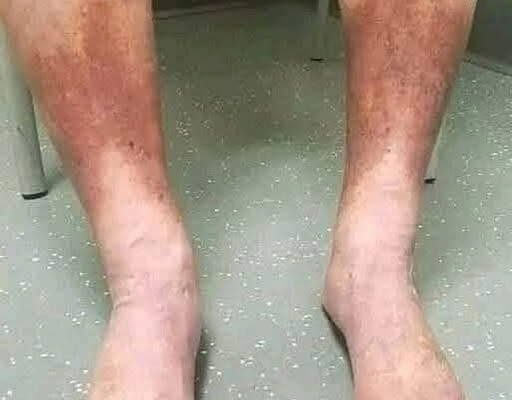
Swollen feet are a common physical response that many people experience after long periods of standing, sitting, or traveling. In most cases, the cause is Edema, a condition where excess fluid accumulates in the body’s tissues, often settling in the lower extremities due to gravity. While occasional swelling is typically harmless and temporary, persistent or unusual swelling deserves closer attention.
The causes can range from simple, everyday factors to more complex underlying issues. Heat, prolonged inactivity, minor injuries, or a high salt intake can all contribute to temporary swelling. However, in some cases, it may be linked to reduced circulation, inflammation, or even side effects from certain medications. More importantly, ongoing swelling can sometimes signal deeper health concerns involving vital organs such as the heart, kidneys, or liver—making it important not to dismiss it as insignificant if it continues.
There are also clear warning signs that should not be ignored. Swelling that does not improve, or that is accompanied by pain, redness, warmth, or asymmetry between the feet, may indicate something more serious. Symptoms such as shortness of breath or chest discomfort alongside swelling require immediate medical evaluation, as they can point to more urgent conditions. A healthcare provider can assess the situation through physical examination and, if necessary, diagnostic testing to determine the underlying cause and appropriate treatment.